How the “Glucose Revolution” and Bio3 can help you.
Some trends come and go within weeks. Then there are the ones that resonate because they address a real need. That’s exactly what has happened with the Glucose Revolution—an approach popularized by biochemist Jessie Inchauspé that has captured the attention of thousands of women looking to regain their energy and build a healthier relationship with food.
Do you ever finish a meal, only to crave something sweet an hour later—or feel overwhelmingly sleepy? It’s not a lack of willpower. It’s your glucose spikes working against you. Inchauspé has managed to explain in simple terms what science has known for years: keeping blood sugar spikes under control matters.
What Is the Glucose Method?
The core idea behind Inchauspé’s approach is simple: when your blood sugar levels stay stable, your body works better.
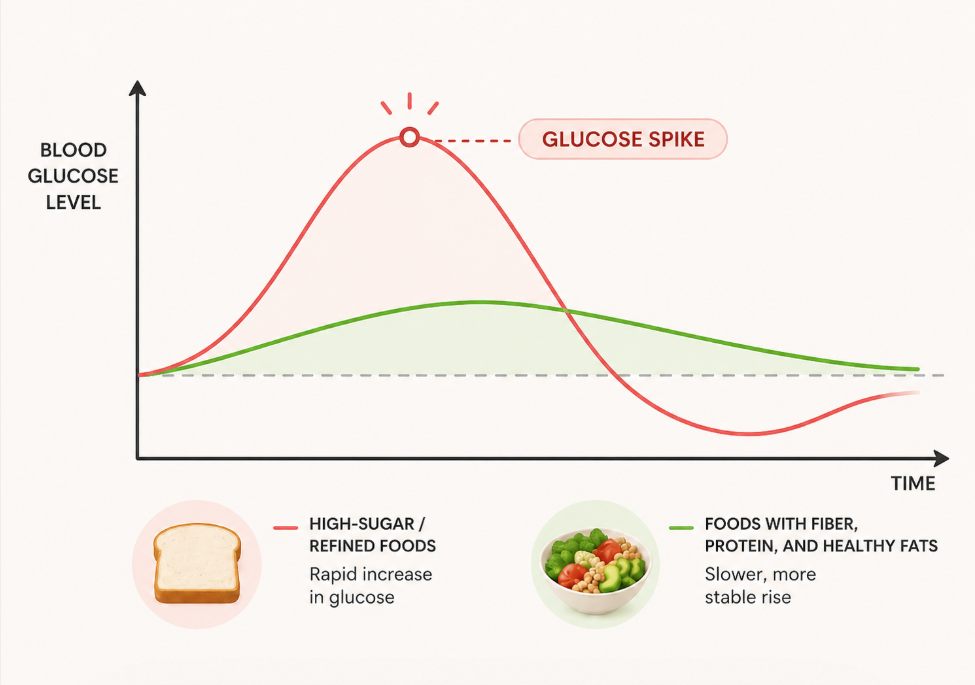
Every time we eat carbohydrates, glucose rises. That’s completely natural. The problem comes with sharp spikes. When blood sugar rises too quickly, the body responds with a surge of insulin followed by a drop in glucose levels, which can lead to:
- Intense hunger shortly after eating
- “Brain fog” or difficulty concentrating after meals
- Irritability and mood swings
The key is not cutting out carbohydrates—it’s learning how to flatten the curve with a few small daily habits.
Glucose Hacks and the Role of Fiber
Metabolic science supports the tips that made this movement go viral. The order and composition of what you eat can dramatically change its effect on your blood sugar:
- The order matters: Inchauspé recommends starting meals with fiber-rich foods (like vegetables) to slow down the absorption of sugars eaten afterward.
- Dress your carbs: Always pair carbohydrates with protein, fiber, or healthy fats.
- The power of psyllium: Among the most effective tools for flattening the curve, soluble fiber stands out.
Psyllium: Your Natural Shield Against Sugar Spikes
Within the context of the Glucose Revolution, psyllium (ispaghula husk) becomes a strategic ally. Its action in the body is physical, natural, and highly effective.
When mixed with water, psyllium forms a natural viscous gel in the digestive tract. This gel acts like a net, trapping part of the carbohydrates and allowing them to enter the bloodstream more slowly and steadily—helping to prevent insulin spikes.

Bie3 Fiber with Fruits: The Practical Tool for Everyday Life
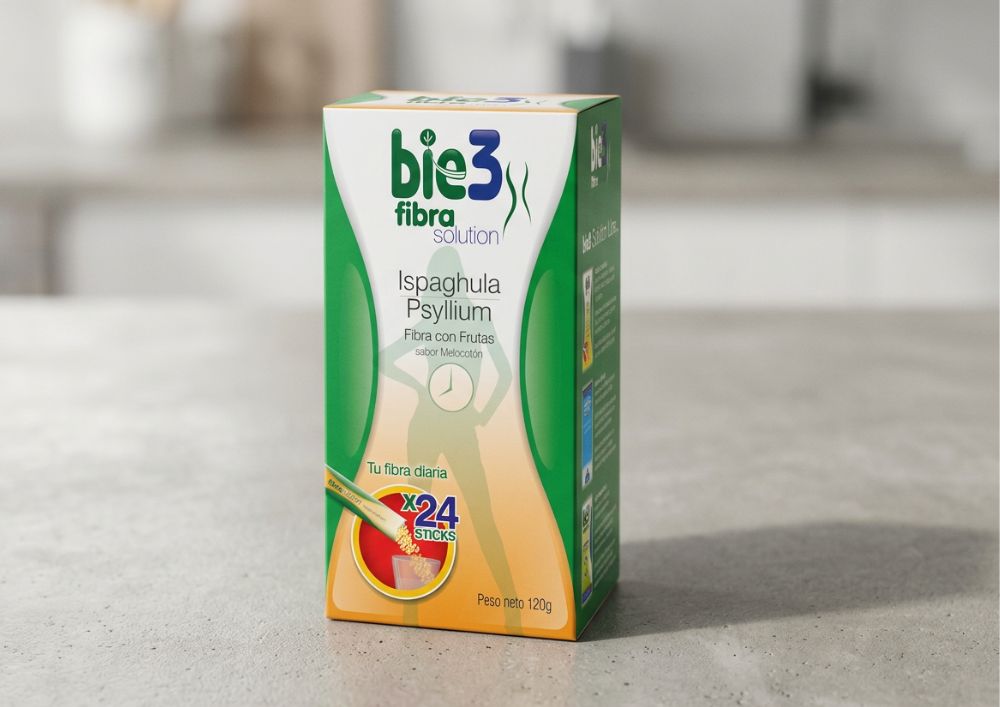
At Bio3, we know that while Jessie Inchauspé’s method is highly effective, modern life doesn’t always leave time to prepare a salad before every meal. That’s why Bie3 Fiber with Fruits is the smart support solution for applying these principles without the hassle.
Our single-dose stick combines the effectiveness of psyllium with the natural taste of peach. It’s the ideal solution for:
- Controlling appetite: Using fiber-induced satiety before meals
- Avoiding snacking: Keeping energy levels stable throughout the afternoon
- Following the fiber hack: Quickly and conveniently, wherever you are
Feeling Better Isn’t About Willpower—It’s About Biochemistry
As the Glucose Revolution explains so well, many of us blame ourselves for lacking discipline when what’s really happening is a biological response to blood sugar spikes. When you use the right tools to stabilize your energy, self-care stops feeling like a struggle.
Ready to balance your energy?
Discover Bie3 Fiber with Fruits here and start your transformation today.
Frequently Asked Questions (FAQ)
Does fiber really help control blood sugar?
Yes. Clinical guidelines and experts such as Jessie Inchauspé agree that soluble fiber helps reduce the glycemic response by increasing viscosity in the intestine.
How should I take Bie3 Fiber with Fruits?
To get the most from your Bie3 Fiber with Fruits, dissolve one stick in a glass of water before eating. Then drink a second glass of water afterward so the fiber can work optimally. If you need extra support, you can take up to 3 units per day.
Scientific References and Sources
- Inchauspé, J. (2022). Glucose Revolution. Editorial Diana.
- EFSA Panel on Dietetic Products: Scientific Opinion on Psyllium Seed Husk and Reduction of Post-Prandial Glycaemic Responses.
- Jenkins, D. J., et al. (2019). Dietary Fibre and Glycaemic Response: The Role of Viscosity. The Lancet Diabetes & Endocrinology.
- Shukla, A. P., et al. (2015). Food Order Impacts Postprandial Glucose and Insulin Levels. Diabetes Care.
Note: Food supplements should not be used as a substitute for a varied, balanced diet and a healthy lifestyle. If you have diabetes, consult your doctor before making changes to your supplementation.
 Cookie preferences

 English
 Español