Cookie preferences

 English
 Español
 Artichoke (Cynara scolimus)
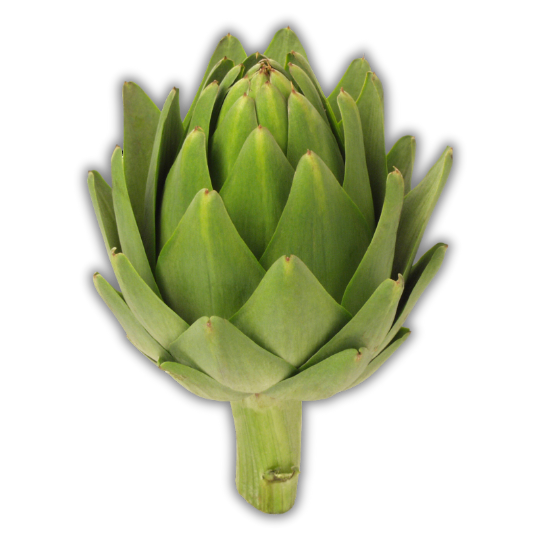
What is the Artichoke?
The artichoke, scientifically known as Cynara scolymus, is a perennial plant that belongs to the Asteraceae family. Native to the Mediterranean region, it is widely cultivated and consumed in many parts of the world. The edible part of the plant is the flower buds before they bloom, which are rich in nutrients and bioactive compounds.
Benefits of Artichoke
Supports Digestion
Artichokes are known for their dietary fiber content, which helps improve digestive health. Fiber can promote regular bowel movements, prevent constipation, and support a healthy gut microbiota.
Hepatoprotective Properties
Artichoke extracts contain cynarin and silymarin, compounds that have been shown to help protect the liver and support its function. These compounds may promote liver cell regeneration and improve bile production, which is essential for fat digestion.
Cholesterol Control
Some studies have indicated that artichokes may help reduce LDL cholesterol ("bad" cholesterol) levels and increase HDL cholesterol ("good" cholesterol). This effect is likely due to cynarin and other antioxidants present in the plant.
Antioxidant Properties
Artichokes are rich in antioxidants such as vitamin C, quercetin, and polyphenols. These antioxidants may help neutralize free radicals in the body, reducing cellular damage and the risk of chronic diseases.
Weight Management
Due to their low calorie content and high fiber content, artichokes can be a valuable ally in weight-loss diets. Fiber helps maintain a feeling of fullness for longer, which may reduce overall calorie intake.
Diuretic Properties
Artichokes have a mild diuretic effect, which may help eliminate excess fluids from the body and reduce bloating. This can be beneficial for people with fluid retention issues or high blood pressure.